
Project gallery
Gallery at Total Environment Yelahanka
A visual look at the internal roads, planting, walking routes, and open green spaces currently associated with the project.
Selected visuals
Visual cues from the community story
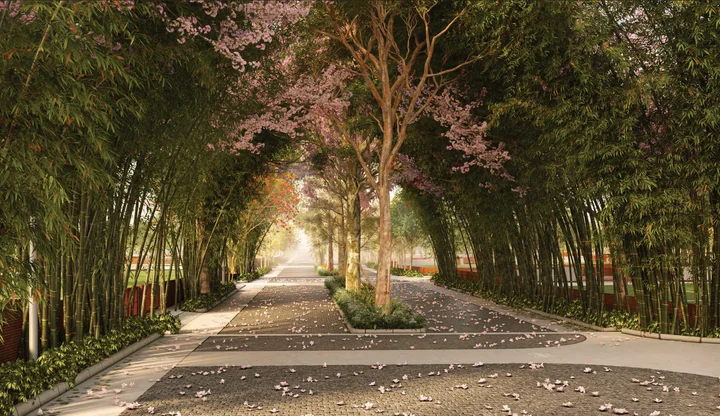
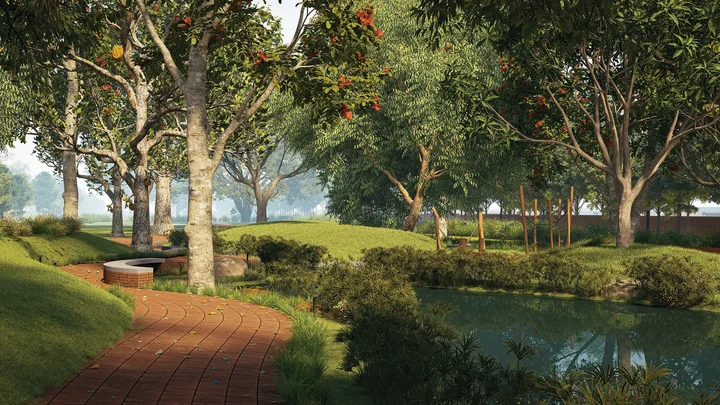
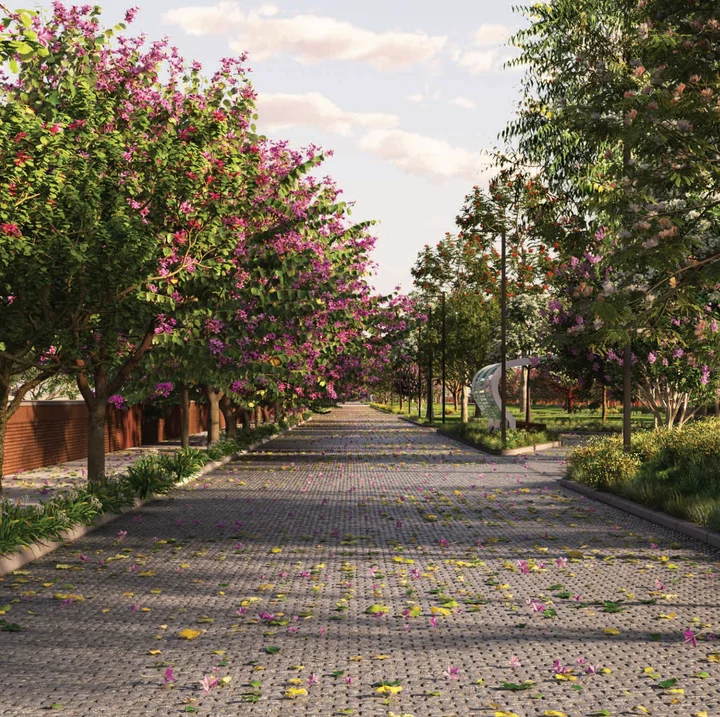
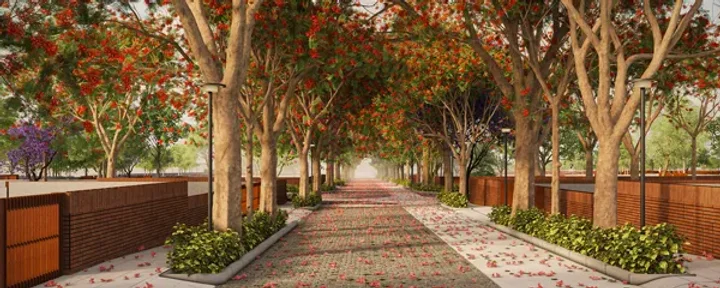
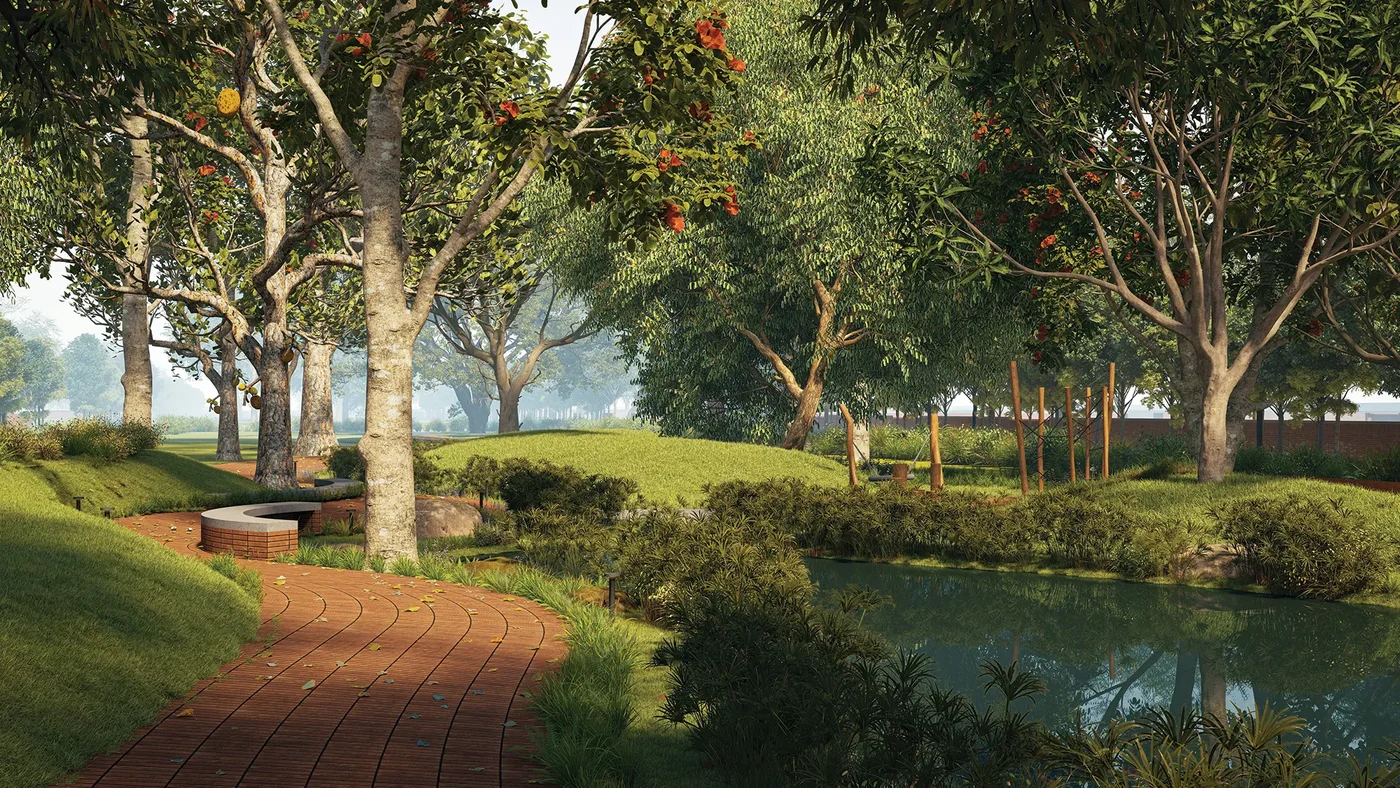
These visuals highlight the intended road character, planting, walking routes, and softer open-space treatment across the community.
What to notice
What the visuals suggest
The gallery is most useful as a reading tool. It shows the project leaning toward shaded streets, planted edges, garden-side views, and pedestrian routes with a softer residential feel than a standard plotted layout.
For buyers, these visuals matter because they can indicate how much attention is being given to the public realm. In a plotted development, the roads, medians, boundary treatment, and walking routes often decide whether the place feels premium after handover. The architecture comes later, but the street character is usually visible much earlier.
The road image suggests slower entry movement and stronger tree cover. The garden and water-edge image suggests that open spaces may be treated as usable parts of the community rather than leftover land. The forest-trail and walking-path visuals suggest that pedestrian movement is being treated as part of daily living instead of only a functional path to the gate.
If you want to connect these visuals to layout decisions, continue to Master Plan. For the likely day-to-day amenity mix, see Amenities.
Arrival Streets: Scenic, traffic-calming road design with stronger visual softness
Garden Edges: Water-adjacent and planted spaces that support a more residential feel
Forest Walks: Pedestrian movement framed by deeper green cover and shade
Flowering Paths: Everyday outdoor movement planned as an experience, not only circulation
How to read the gallery
What visuals can and cannot tell you
Images are useful for understanding intent, but they are only one part of the buying decision. The next step is to compare the visual story with the layout, amenities, and the actual parcel options once they are released.
Look at road width, tree cover, paving character, and whether arrival areas feel residential rather than purely utilitarian.
Parks, water edges, and planted buffers matter more when they are placed where residents will actually use them.
Walking paths and shaded routes are a strong sign when they connect meaningfully across the site instead of appearing as isolated features.
That is why many buyers do not treat the gallery as decoration. They use it as a first clue about planning quality, then move on to the project layout and parcel mix. When those pieces line up, the visual language starts to feel credible instead of aspirational.
It is also worth noticing what is not being shown. A good gallery can suggest mood and planning intent, but it cannot confirm exact road widths, the final location of parks, or the relationship between one parcel and another. Those decisions still depend on the layout plan and the actual release inventory. Used properly, the gallery helps with early shortlisting, but not with the final parcel decision on its own.
Need the latest update?
Need the brochure with visuals and planning cues?
Reach out for the brochure, launch updates, and help connecting the visuals to the current planning story and layout release. That is usually the quickest way to move from mood-based interest to a more concrete shortlist.
It also helps buyers decide whether the visual quality on display is being backed up by enough practical detail to justify a deeper enquiry. That is often the turning point between casual interest and a serious shortlist.